
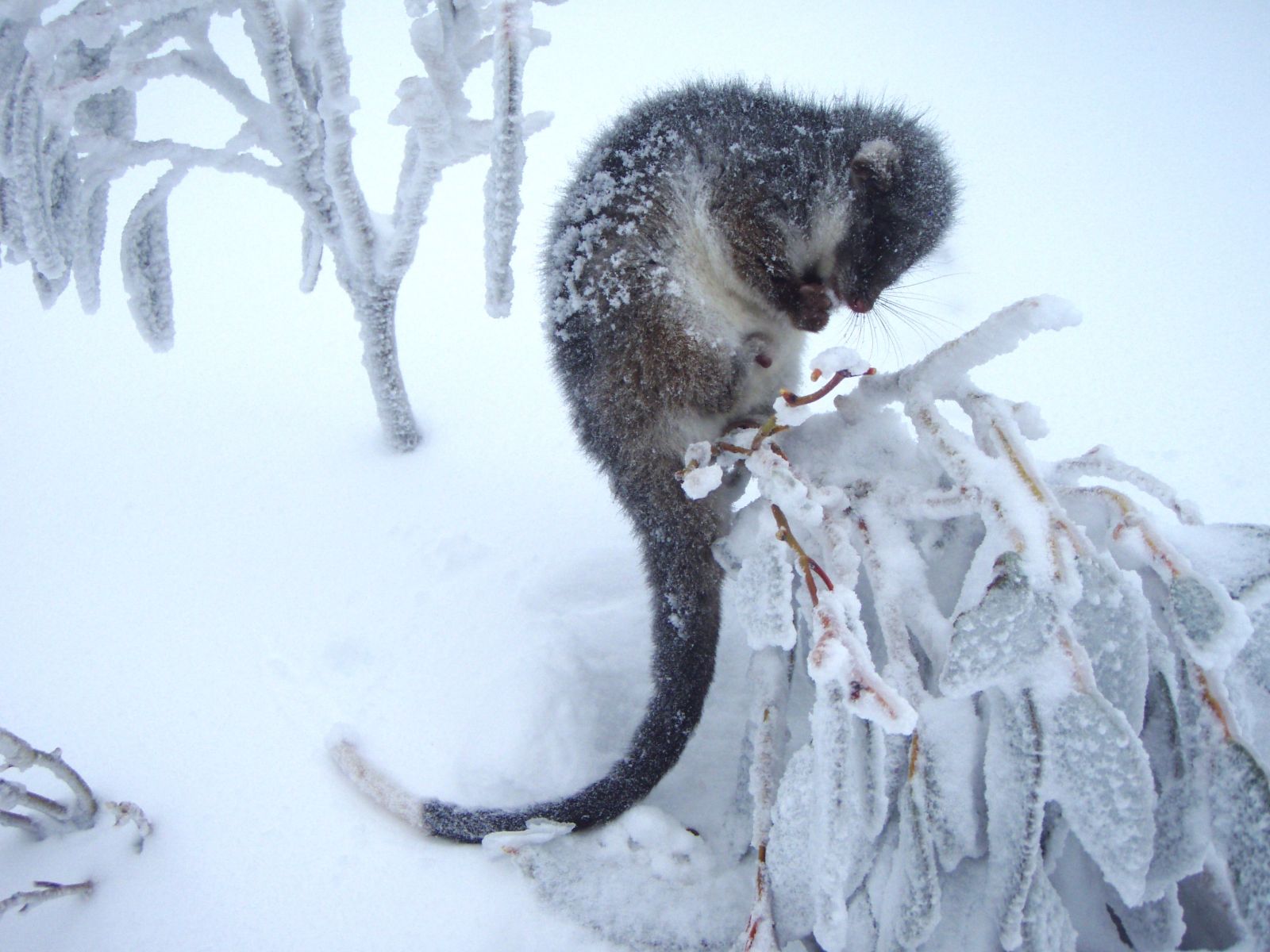
As winter sets in across Victoria’s alpine resorts, native small mammals such as the Mountain pygmy-possum, Broad-toothed rat, Bush rat, and Antechinus species become especially vulnerable. At the same time, food scarcity and snow cover can drive wildlife to seek warmth and shelter in lodges and buildings. Dingoes and other predators may also be more visible as they move through resort areas in search of food.
To support both wildlife conservation and safe facility management, stakeholders are reminded that snap traps and rodent baits must not be used in alpine environments.
Why avoid snap traps and bait?
- Risk to protected species: Non-target animals and highly protected native alpine species can enter buildings and be inadvertently harmed by traps or poisons.
- Secondary poisoning: Bait consumed by rodents can later poison predators such as owls, quolls, dingoes, and other scavengers, disrupting the wider ecosystem.
- Humane and environmental concerns: Snap traps and toxins can cause unnecessary suffering and introduce contaminants into sensitive alpine habitats.
Safer ways to manage wildlife
1. Prevent entry into buildings
- Seal gaps around doors, roofs, vents, and service penetrations (even small openings can admit mice-sized mammals).
- Install door sweeps and weather stripping.
- Use fine mesh screens on vents and subfloor spaces.
2. Manage attractants
- Store all food in sealed containers.
- Remove waste regularly and ensure bins are tightly closed.
- Clean kitchens and communal areas thoroughly to eliminate crumbs and residues.
- Avoid leaving rubbish or other attractants outside, which can attract rodents and larger wildlife such as dingoes.
3. Gentle deterrence and monitoring
- Use live-capture traps where necessary and release animals safely away from buildings (contact ARV for guidance).
- Employ motion lighting or noise deterrents in non-sensitive areas to discourage entry.
- Conduct regular inspections, particularly before and after peak visitor periods.
Species to be aware of:
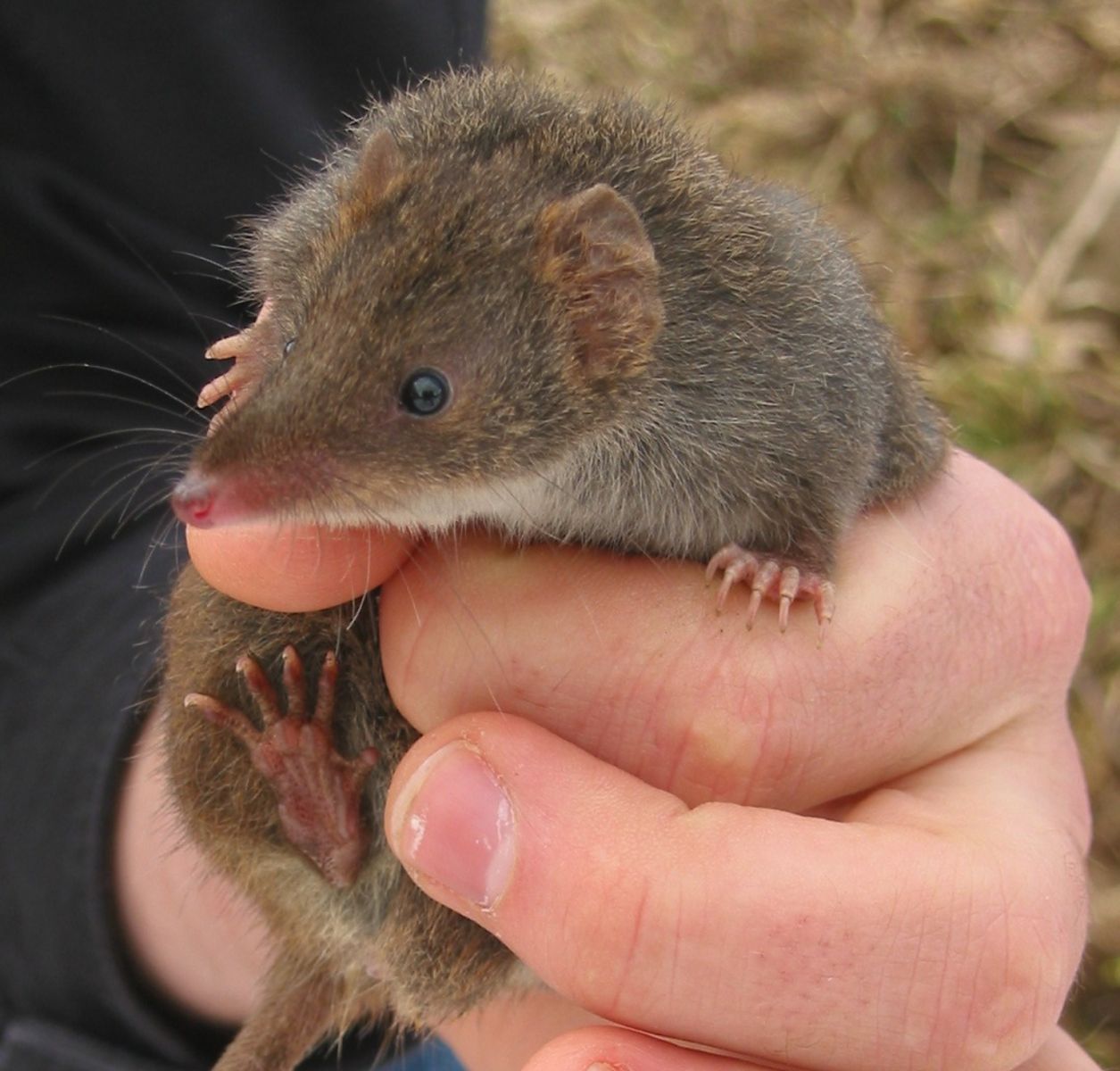
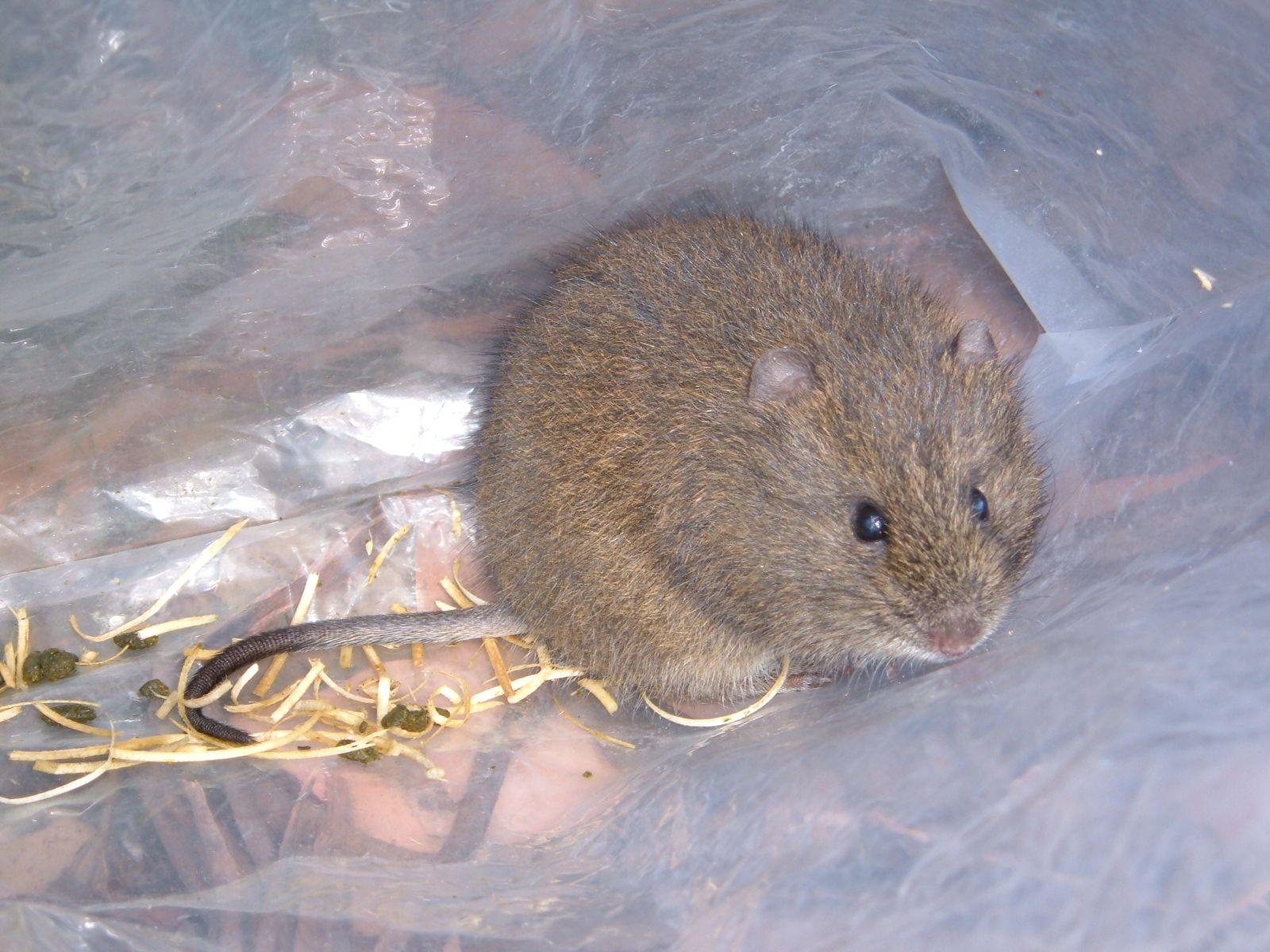
- Broad-toothed rat: Native herbivore often mistaken for introduced rodents.
- Bush rat: Common in alpine and subalpine areas; important ecosystem contributor.
- Antechinus: Small insectivorous marsupials that may shelter in roof cavities.
- Ring-tail possum: Key herbivores and pollinators that may seek shelter in roof cavities.
- Mountain pygmy possum: Rarely seen as they hibernate in winter, however, they remain vulnerable to disturbances (noise and vibration) under snow.
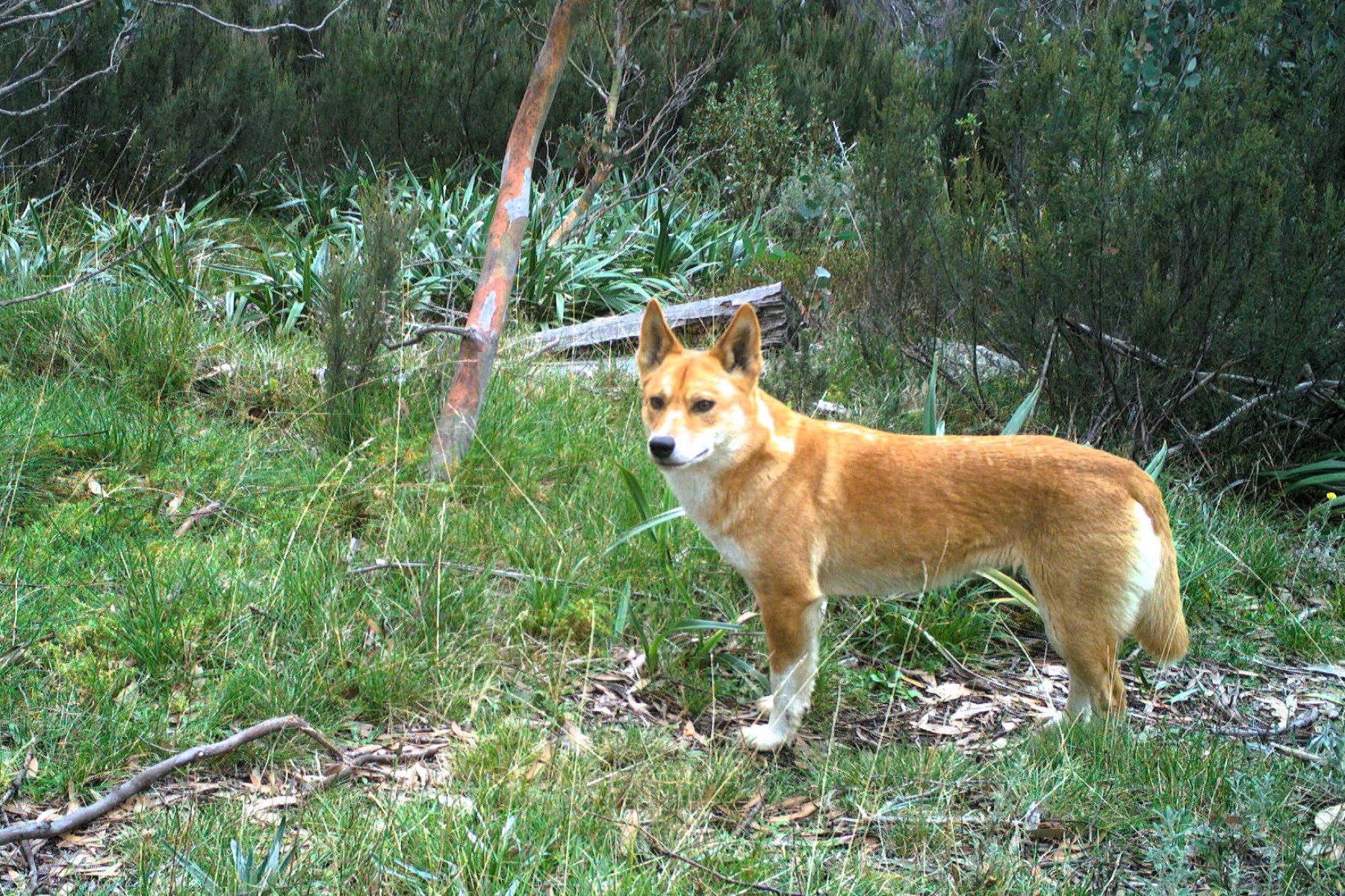
- Dingoes: Native apex predators that play a key ecological role and commonly move through resort areas.
Dingoes: Safety and coexistence
Dingoes are wild animals and must not be fed under any circumstances.
Do not feed dingoes
- Feeding encourages habituation and bold behaviour, increasing risks to people and wildlife.
- Human food can harm dingoes and disrupt their natural hunting behaviour.
- Feeding wildlife may breach regulations and management policies.
If you see a dingo;
- Keep a safe distance — do not approach or attempt to interact.
- Do not run; stand tall and back away slowly.
- Keep children close and supervised at all times.
- Report persistent or concerning behaviour to ARV.
Working together
Protecting alpine biodiversity is a shared responsibility. By adopting wildlife-safe practices, we can all reduce conflicts while helping conserve some of our most unique and threatened species.
For further guidance, contact your ARV Environmental team through the resort information email addresses below:
ARV Mt Hotham Information info.mthotham@alpineresorts.vic.gov.au
ARV Falls Creek Information info.fallscreek@alpineresorts.vic.gov.au
ARV Mt Buller Information info.mtbuller@alpineresorts.vic.gov.au
ARV Lake Mountain Information info.lakemountain@alpineresorts.vic.gov.au
ARV Mt Baw Baw Information info.mtbawbaw@alpineresorts.vic.gov.au
ARV Mt Stirling Information info.mtstirling@alpineresorts.vic.gov.au
Page last updated: 15/07/26