
On this page:
The Victorian Alps bioregions contain 33 ecological vegetation classes (EVCs). The vegetation associated with the subalpine plateaus are:
- Sub-alpine woodland
- Treeless Sub-alpine mosaic
- Sub-alpine grassland ecosystems.
The upper slopes and generally surrounding sub-alpine areas are dominated by:
- Montane Dry Woodland
- Montane Damp Forest
- Montane Wet Forest
- Montane Grassy Woodland ecosystems.
Dominant vegetation type changes with elevation. As you travel up to the alpine resorts from the valleys you will be able to see the transition in vegetation communities. These changes are due to different soil characteristics and climatic factors.
Bioregion zones
There are 4 zones:
- foothills
- montane
- subalpine
- alpine.
Foothills
Foothills (elevation below about 900 m): Dry open forest and grassy woodlands are common, with well-spaced trees, and grasses and small shrubs in the understorey. Usually, this area comprises trees between 10 and 30 m tall.
Montane
Montane zone (around 900 m-1500 m): The precipitation is higher, and the forest becomes taller, more dense and darker. The dominant trees are a mixture of tall eucalyptus species including Broad and Narrow Leafed Peppermint, White Gum and Mountain Gum.
The understorey contains ferns and small trees. Soil is deep and contains lots of organic matter. At the higher elevations of about 1400 m within the montane zone, there is a band of tall open forest with the dominant tree being Alpine Ash.
Only a few small trees and shrubs make up the forest floor at this altitude.
Subalpine
Subalpine zone (around 1500 m-1800 m): Here there is an abrupt change from tall trees to low growing woodland dominated by Snow Gums.
Snow Gums are specially adapted to withstand the low temperatures, prevailing winds and snow. In the understorey there are low growing shrubs, grasses and herbs.
There are some treeless areas in this zone due to cold air settling down in valleys in the topography (frost hollows), creating alpine conditions in small pockets at lower elevations.
Soil in the subalpine zone is shallow and less fertile as microbes are slower at breaking down leaf litter at lower temperatures.
Alpine
Alpine zone (above 1800 m): There are no trees, as temperatures are too extreme and conditions too wind‑exposed for year‑round survival. The average mid‑summer temperature is around 10 degrees Celsius.
This area is characterised by:
- grassland
- heathland
- herb fields
- bogs
- fens
- rocky pavements.
Plants here are low to the ground and are generally less that 1 m tall as they have adapted to survive cold and wind exposure. The soil is varied, with shallow, well-drained soil on the peaks, loam soils on gentle slopes and waterlogged peat in low lying bogs.
Within the alpine zone there are snowpatch communities. These are found where snow accumulates on the leeward sides of slopes and does npt melt until around summer.
Only the hardiest plants adapted to the cold temperatures can grow in these areas, including the Alpine Marsh Marigold which grows and flowers under melting snow.
Alpine Sphagnum Bog and Associated Fens are listed under the Flora and Fauna Guarantee Act 1988 (Vic), while Alpine Snowpatch communities were added under the 2019 amendments. This means they are of national significance and are legally protected.
The Environment Protection and Biodiversity Conservation Act 1999 (EPBC Act) is Australia's main environmental law. It gives us a legal framework to protect and manage unique plants, animals, habitats and places.
In 2024, more than 152 threatened flora species were listed under Victoria’s Flora and Fauna Guarantee Act within the alpine resorts, with more than 4 also listed under the EPBC Act:
- Silky Snow Daisy
- White Billy Button
- Mountain Swainson Pea
- Bog Willow Herb
- Bogong Sally.
Threats
Threats to healthy vegetation communities include pest animals and plants, pollution, extreme natural events including fire, climate change effects, inappropriate development and user impacts.
We have several different programs aimed at reducing introduced species and rehabilitating areas. In addition, we support many research projects with various institutions involving threatened species, pest animal and plant research, climate change studies and more.
Resources
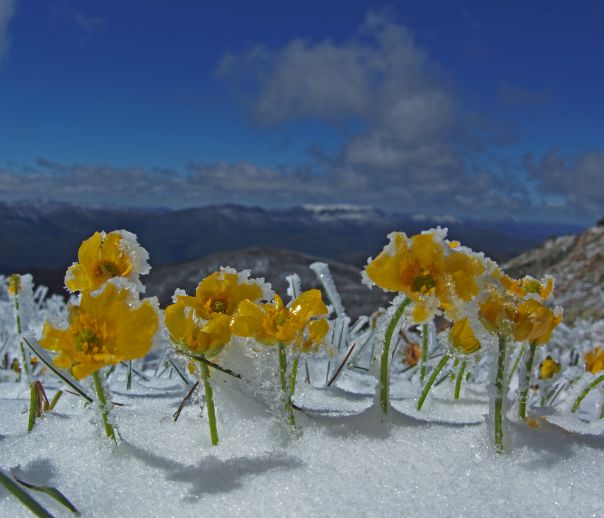
- Mt Stirling icy buttercups
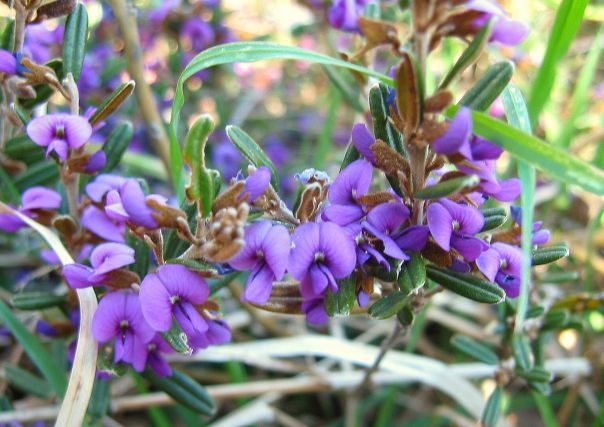
- Mt Stirling alpine rusty pods
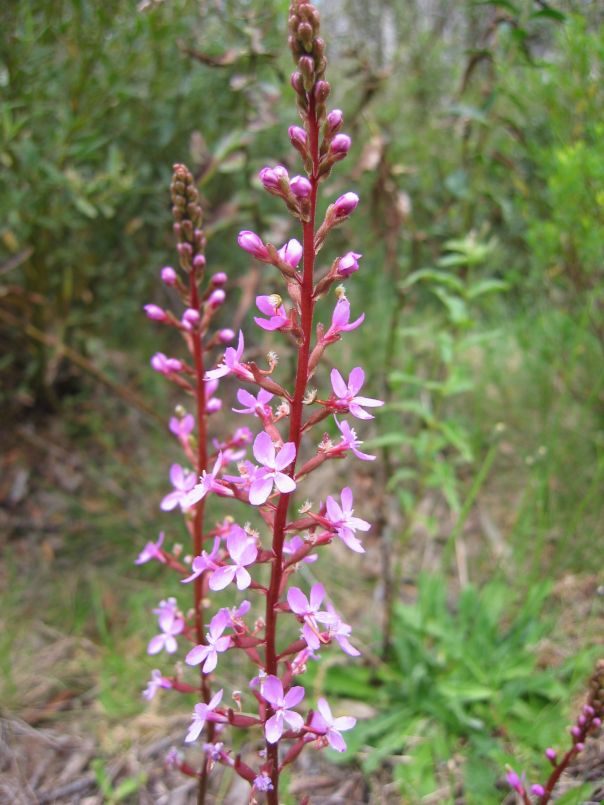
- Mt Buller trigger plants
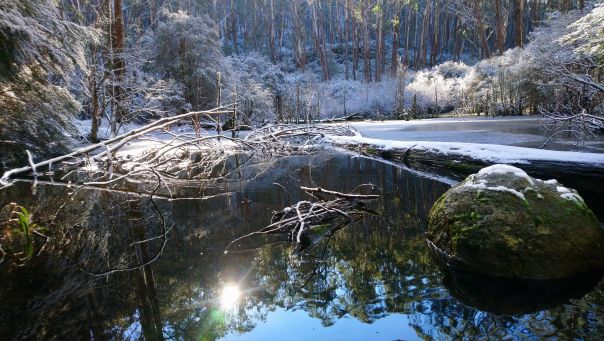
- Mt Stirling Albys Drop
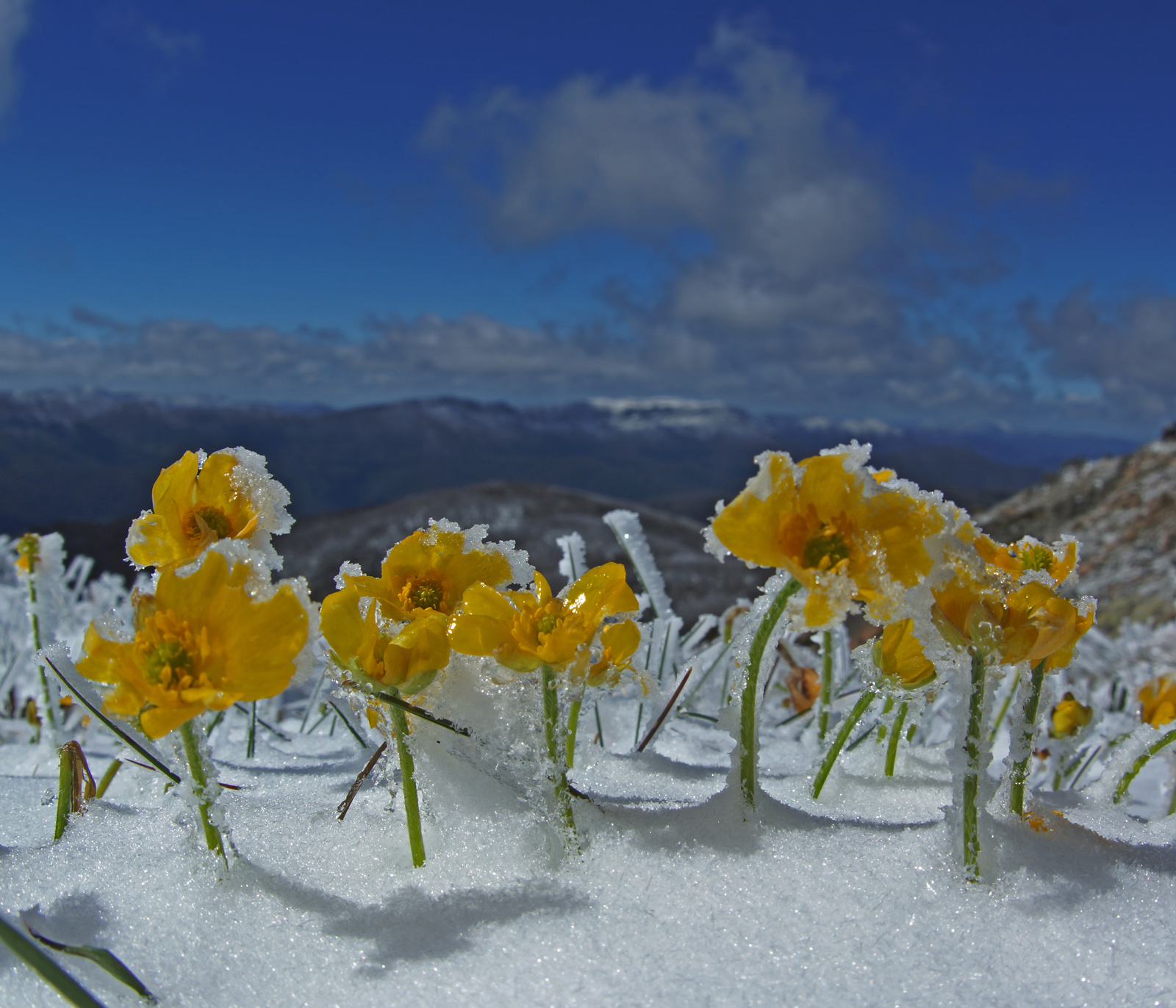
Mt Stirling icy buttercups
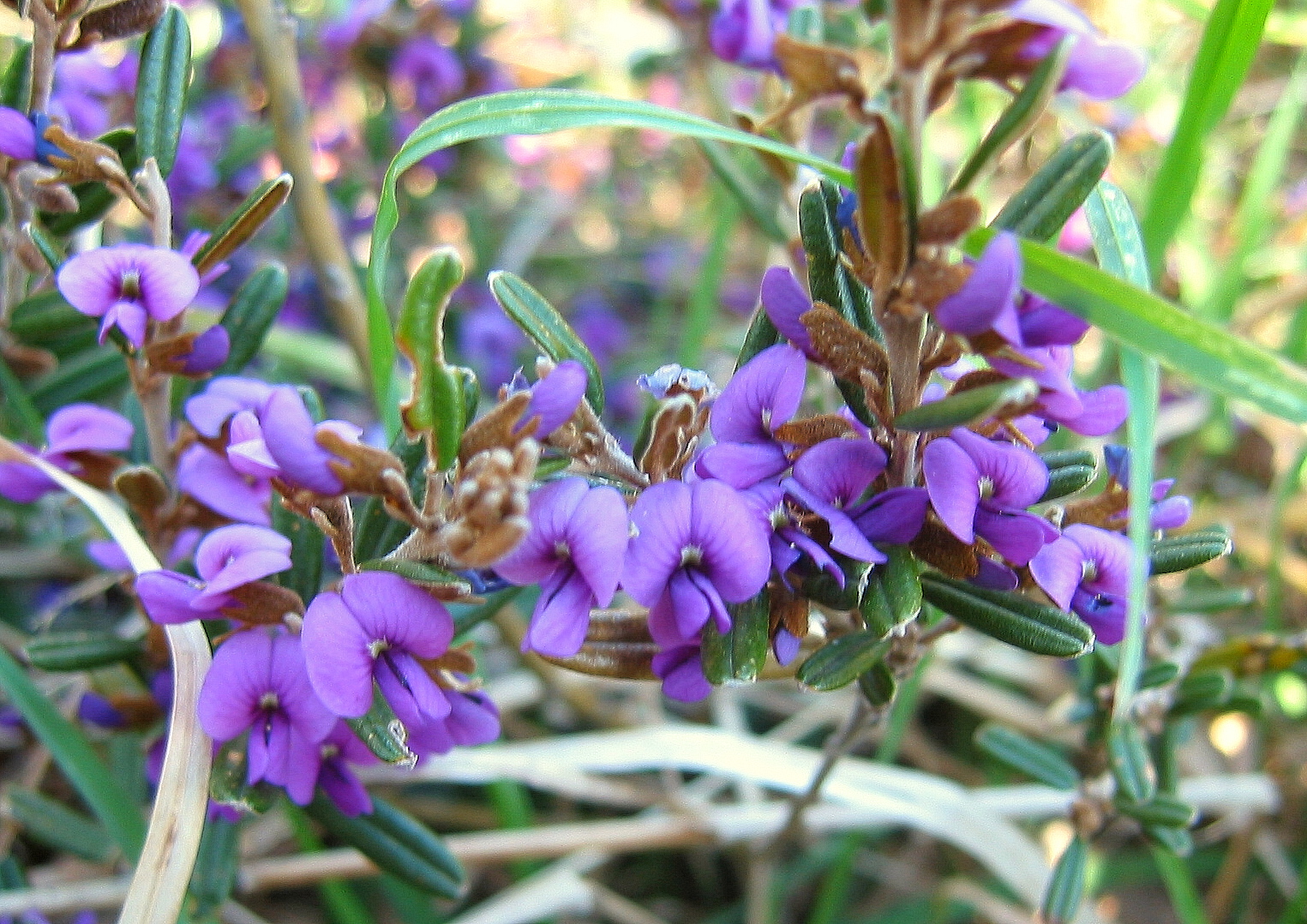
Mt Stirling alpine rusty pods
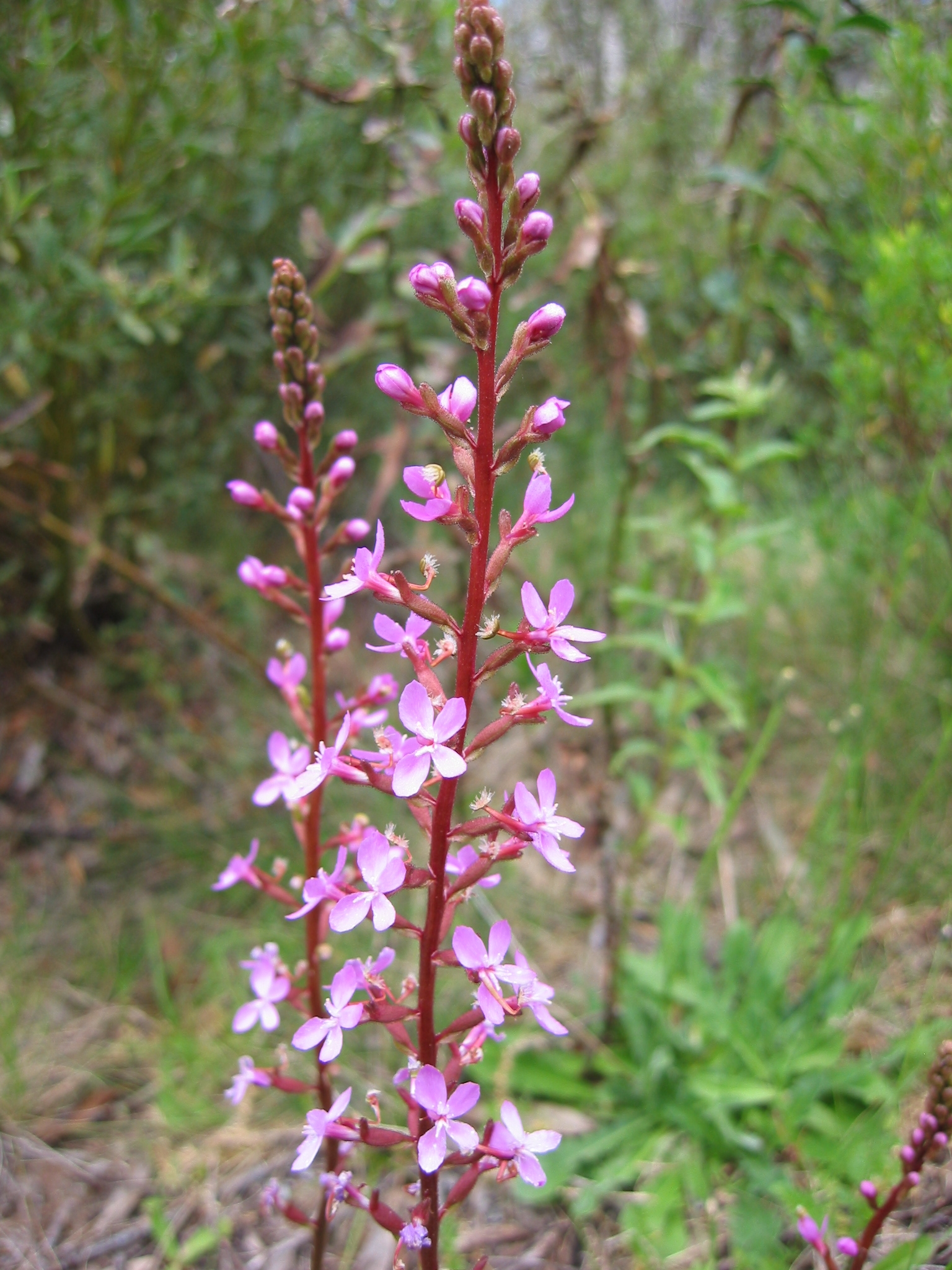
Mt Buller trigger plants
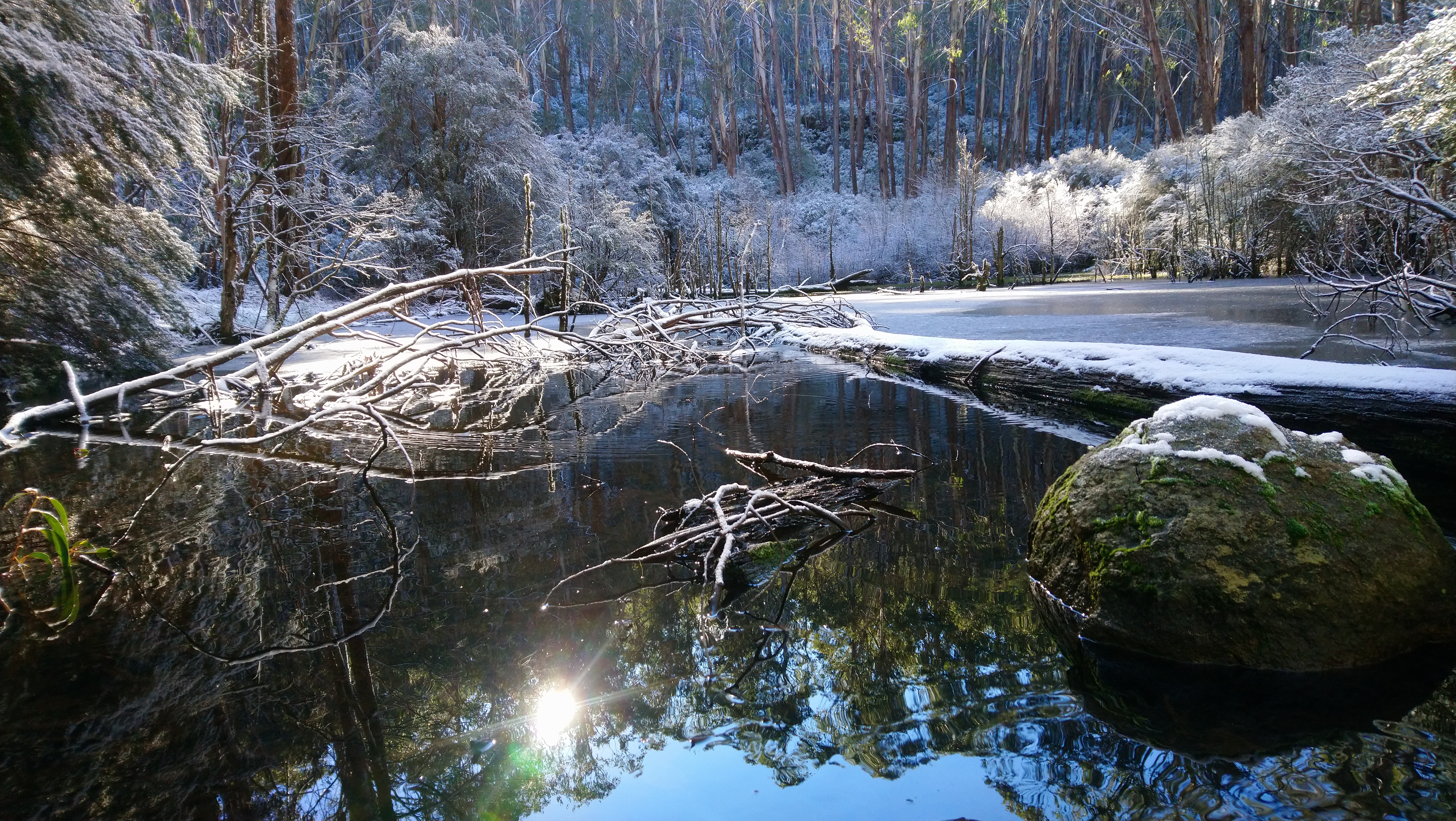
Mt Stirling Albys Drop
Page last updated: 22/04/26