
Scientific name: Mastacomys fuscus
About
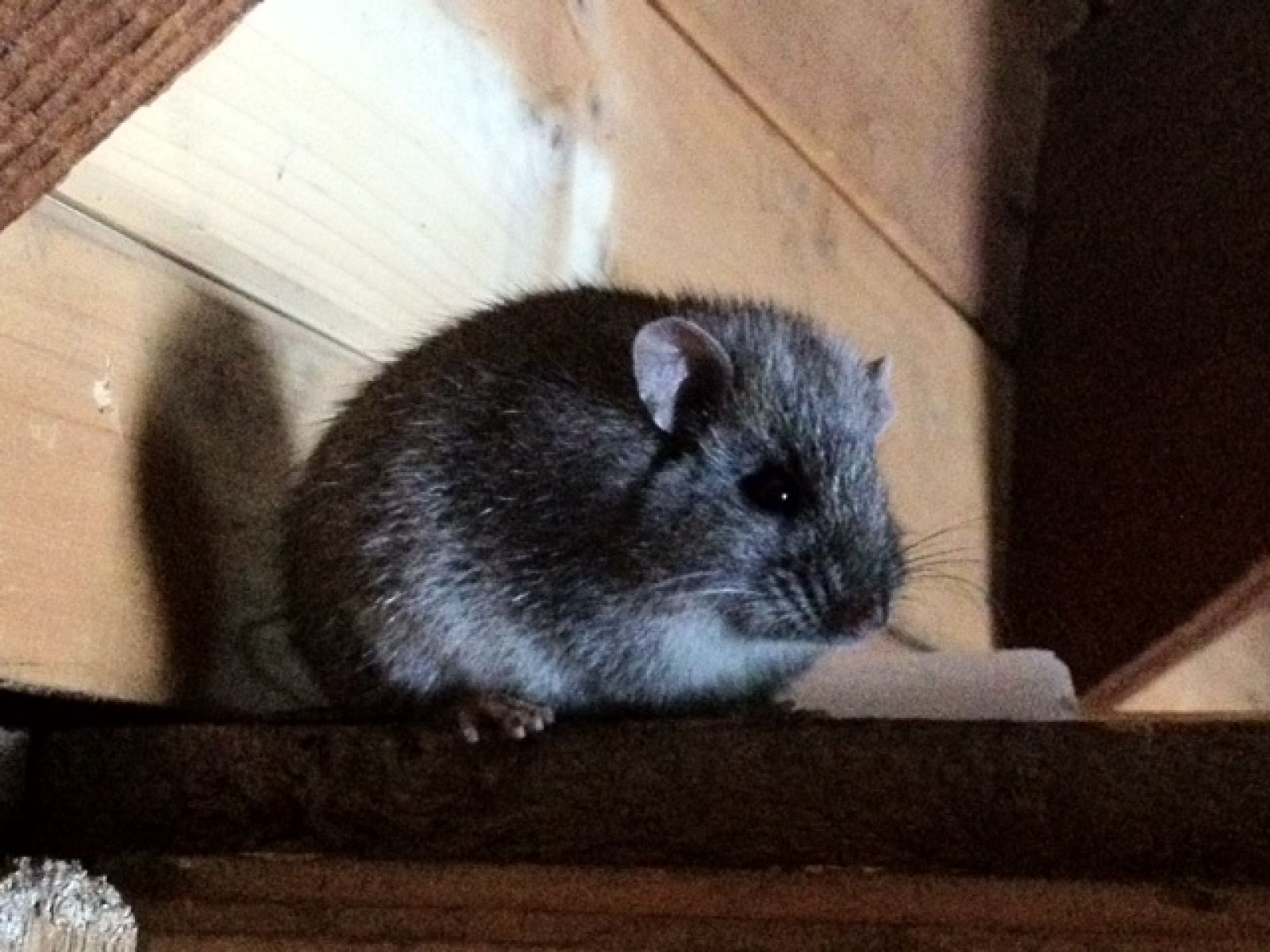
Resembling a hamster rather than a typical rat, this relaxed, furry mammal can be recognised by its large cheeks. These house wider‑than‑usual molars that are well adapted for chewing tough plant material such as grasses and sedges.
Threats
Unfortunately, broad-toothed rats are at risk of predation by feral cats and foxes and by loss of suitable habitat. Managing predators and protecting and restoring habitat is critical for their survival within alpine resorts.
Where are they found?
Broad-toothed rats nest in burrows in alpine and subalpine heathlands, grasslands and wetlands. They also form extensive runways through thick vegetation.
During winter it dens communally during the day in nests of shredded grass and creates tunnels under the snow in its quest for food.
The broad-toothed rat has a large appetite and eats over half its body weight in grasses, sedges and seeds each day.
What we are doing
We are establishing conservation areas in Melbourne’s growth areas, as development in these new suburbs continues.
Clusters of breeding wetlands will be created to provide additional habitat for many connected populations, along:
- Werribee River
- Kororoit Creek
- Merri Creek
- Jacksons Creek
- Cardinia Creek.
Page last updated: 21/04/26