
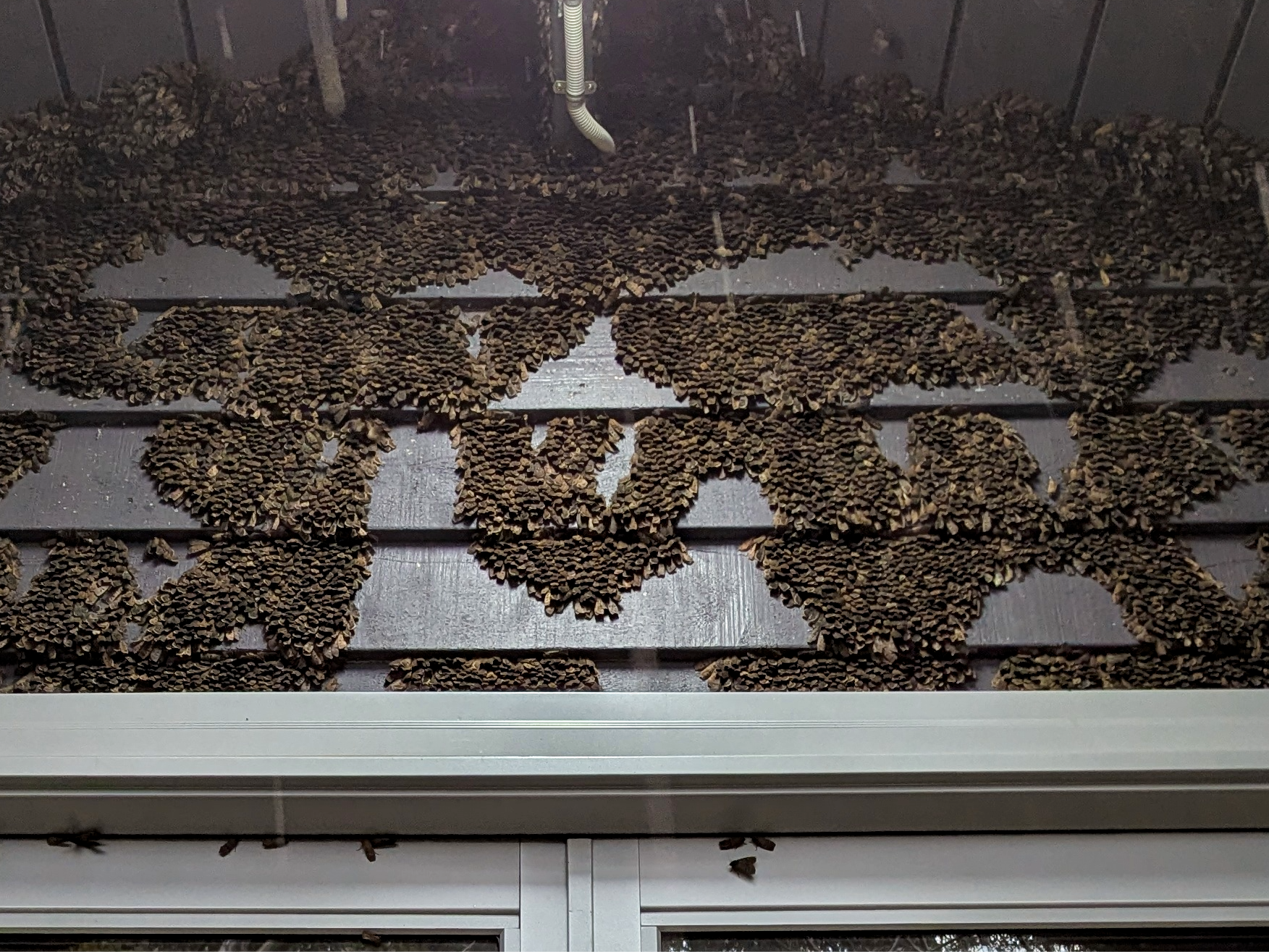
Large numbers of Bogong moths have been arriving in Victoria’s alpine resorts, bringing encouraging news for the alpine environment and the threatened species that depend on them.
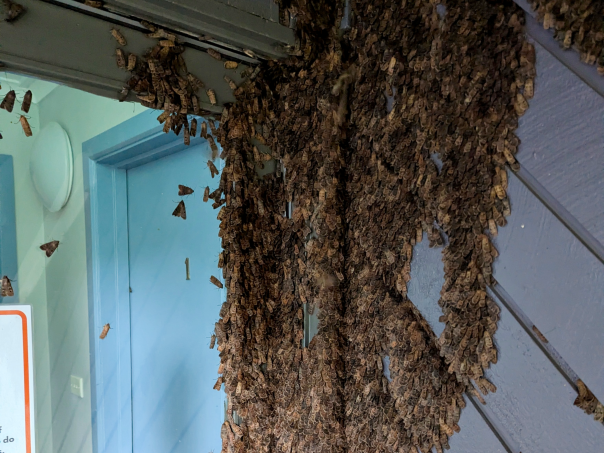
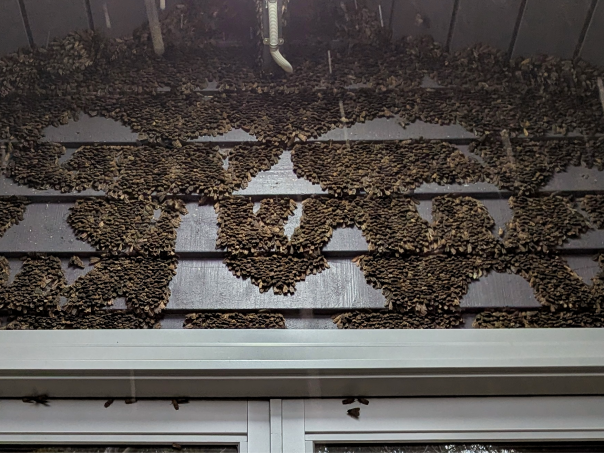
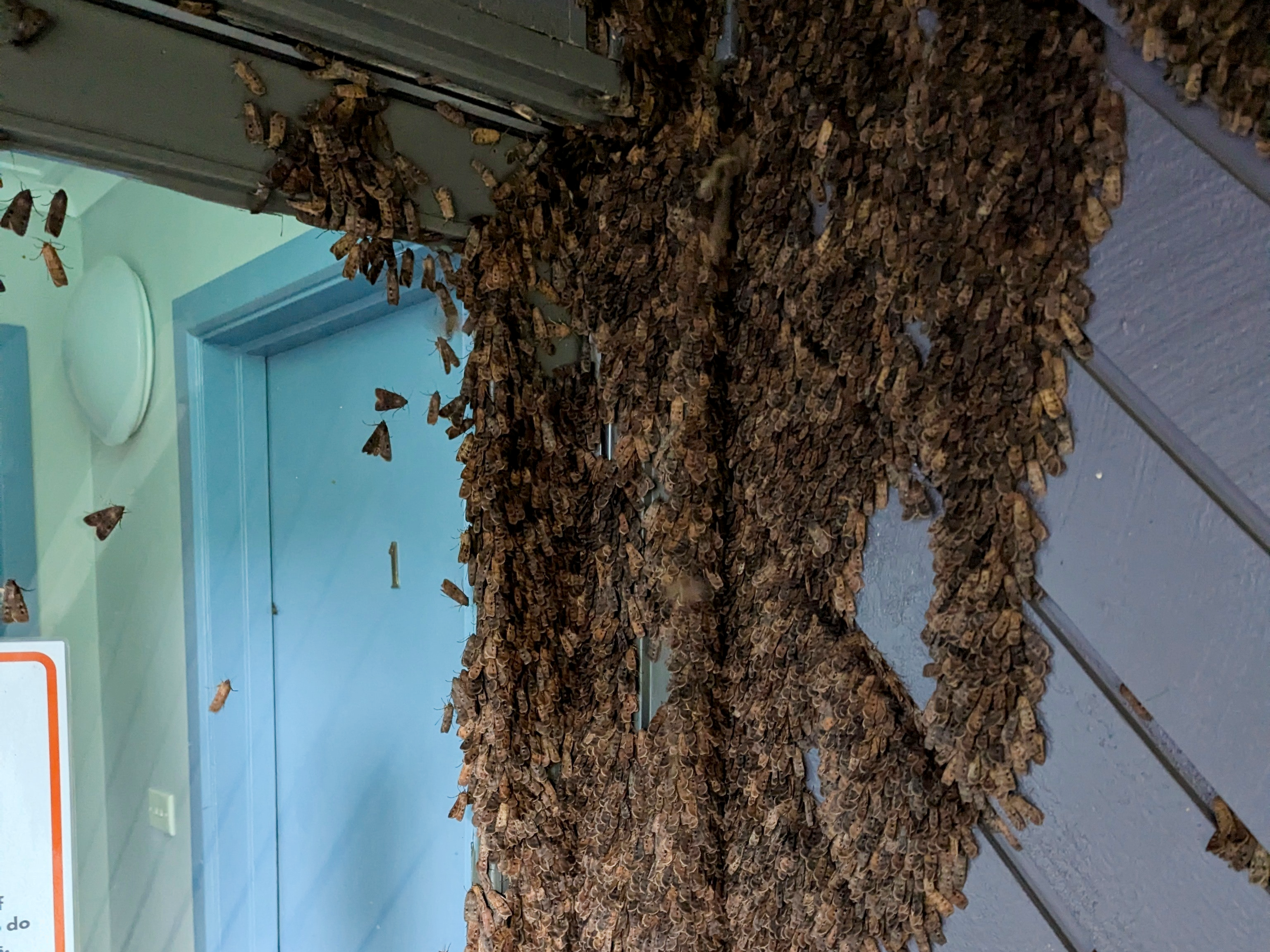
Recent sightings across the alpine region point to a strong migration this season. For Victoria’s alpine resorts, the return of Bogong moths in large numbers is significant because they play an important role in the unique alpine ecosystems within the resorts. An example of this is the vital role they play in pollination of alpine plants.
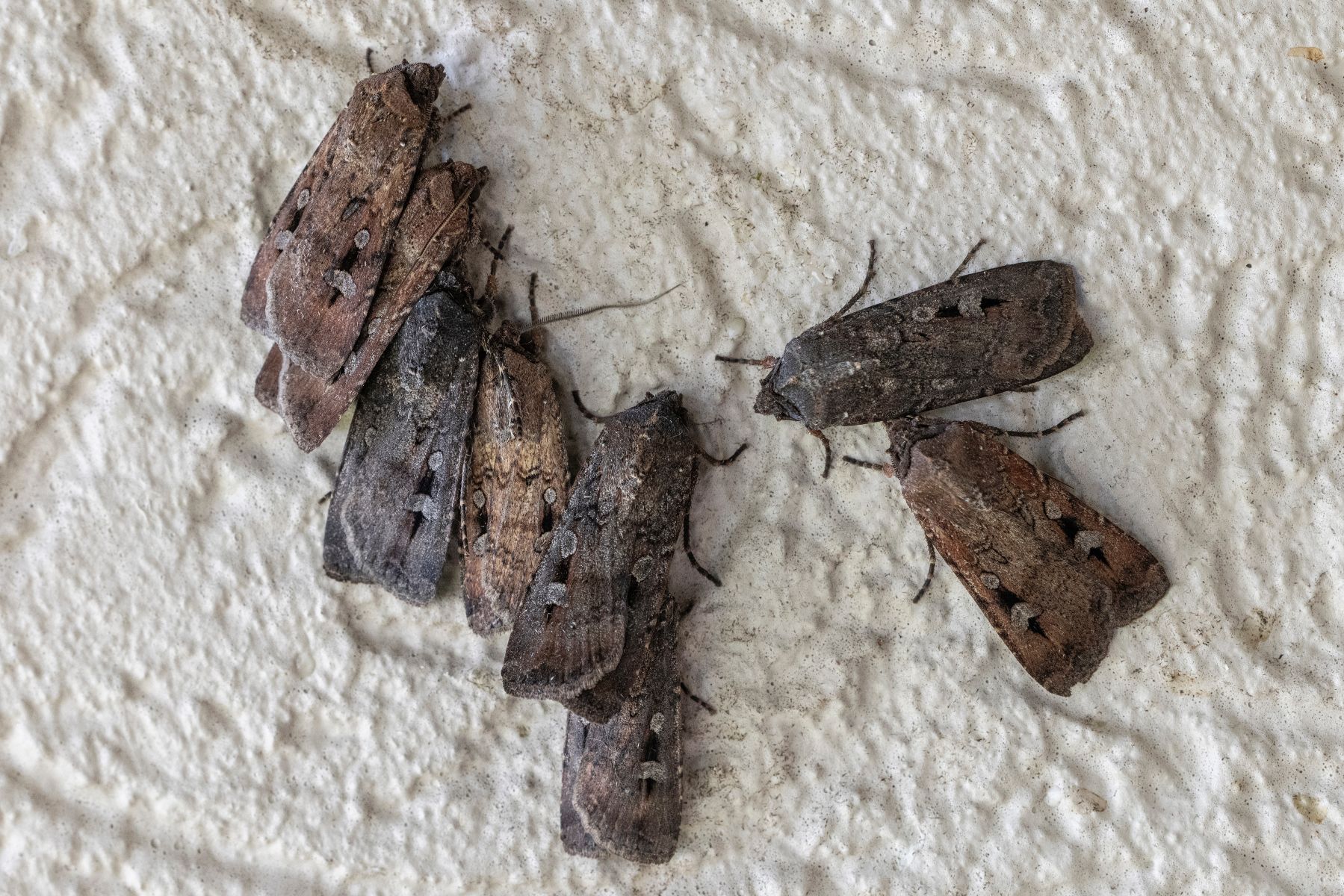
Each spring, Bogong moths undertake a remarkable migration to the alpine regions of Victoria and New South Wales. The moths spend summer sheltering in cool alpine boulder fields and caves, bringing an important seasonal source of nutrients into the alpine environment. Their arrival provides food for a range of native wildlife, including the critically endangered Mountain Pygmy-possum.
The strong numbers are particularly welcome following the dramatic decline of the species. Bogong moth numbers dropped significantly, by an estimated 99.5 per cent in 2017–18, and the species was listed as Endangered on the IUCN Red List in 2021.
Alpine Resorts Victoria (ARV) manages resort areas within some of Victoria’s most distinctive and sensitive natural environments. Supporting the long-term health of these environments requires practical action to protect native species and reduce potential impacts on their habitat.
-
-
Across the resorts ARV works to support Bogong moths through education and awareness activities (for example; Lights Off campaigns), considering potential impacts on moths through planning and development processes, and revegetation using plant species that support moths and other invertebrates. To strengthen protection of the moths, ARV also undertakes in-resort Bogong moth monitoring and supports research and conservation activities to improve understanding of the species. This work forms part of ARV’s broader approach to protecting alpine biodiversity.
The Bogong moth is a powerful example of how connected these ecosystems are. Its migration extends far beyond the resorts, but its arrival in the high country has direct consequences for alpine species that rely on the moth as a food source.
While this year’s numbers are an encouraging sign, continued monitoring remains important to improve understanding of migration patterns and longer-term population trends.
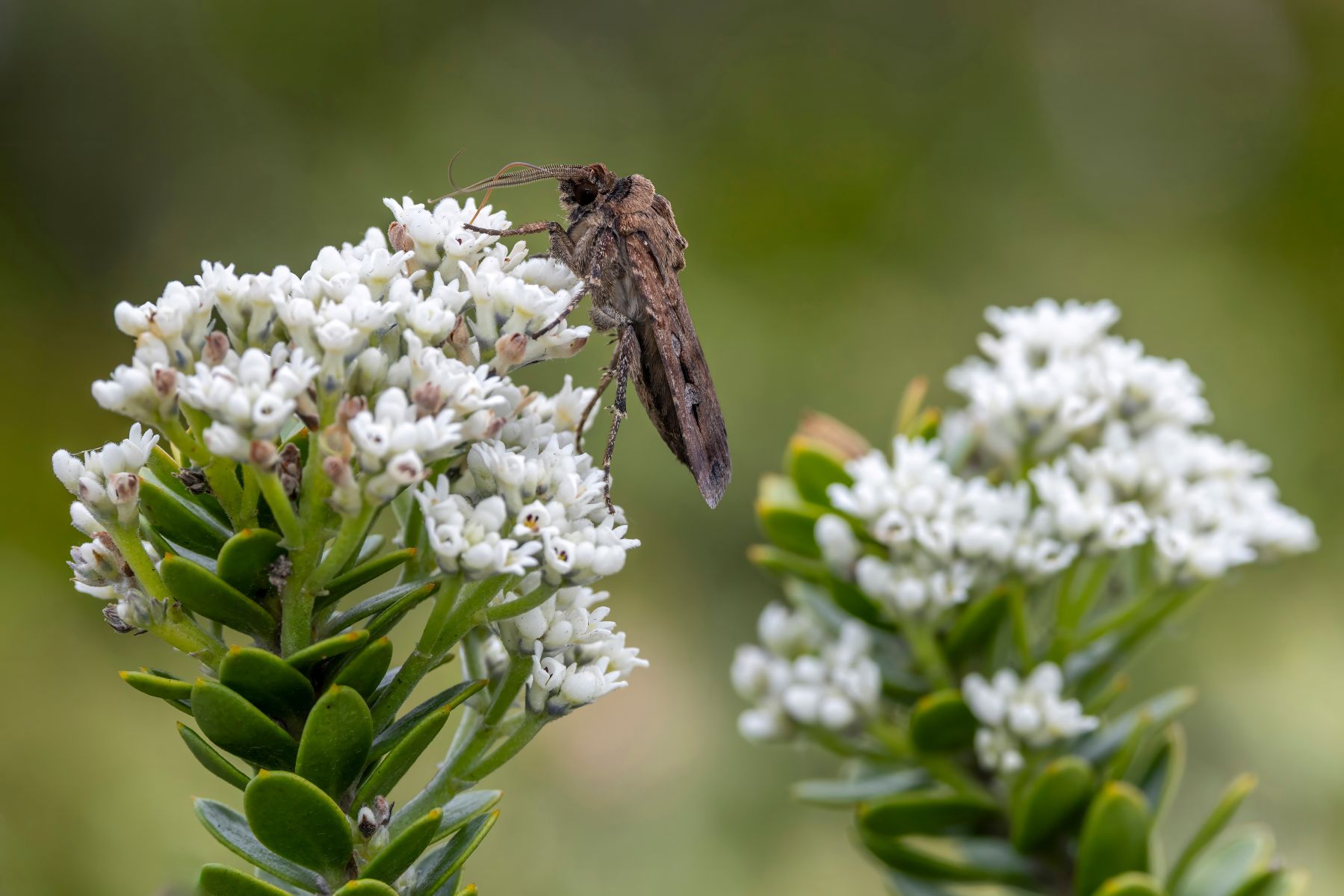
Help track the Bogong moth migration
Resort communities and visitors can also contribute through Zoos Victoria’s Moth Tracker, a citizen science initiative that collects observations of Bogong moths during their annual migration. The information helps scientists understand the moths’ migration and how many may reach the alpine environment.
If you see a Bogong moth at one of our alpine resorts, take a photo and upload your sighting.
Record a Bogong moth sighting through Moth Tracker
The return of large numbers of Bogong moths is a positive sign for Victoria’s alpine environment. It also highlights the importance of continued monitoring, practical conservation measures and collaboration between resort communities, Traditional Owners, researchers, conservation organisations and government to support the long-term health of alpine ecosystems.
If you would like to read more about the Bogong Moth, visit the Threatened Spiece Management page, Bogong Moth.
Page last updated: 16/10/26