
Threatened Species Day was observed on September 7 and is a timely reminder of the vital role we all play in protecting Australia’s unique wildlife and the habitats they depend on. Among the species facing ongoing challenges in our alpine regions is the Alpine Tree Frog, a small but remarkable amphibian whose survival is closely linked to the health of our mountain ecosystems. Read on to learn more about this fascinating threatened species, the pressures it faces, and how conservation efforts are helping to secure its future.
Alpine Tree Frog: A Resilient Survivor of Australia's High Country
The Alpine Tree Frog (Litoria verreauxii alpina) is a small critically endangered amphibian endemic to the alpine and subalpine wetlands of south-eastern Australia. Despite belonging to the tree frog family (Hylidae), it is commonly found in alpine bogs, fens, and wetlands above the tree line. Adults grow to approximately 3 cm in length and are highly adapted to the harsh alpine environment.
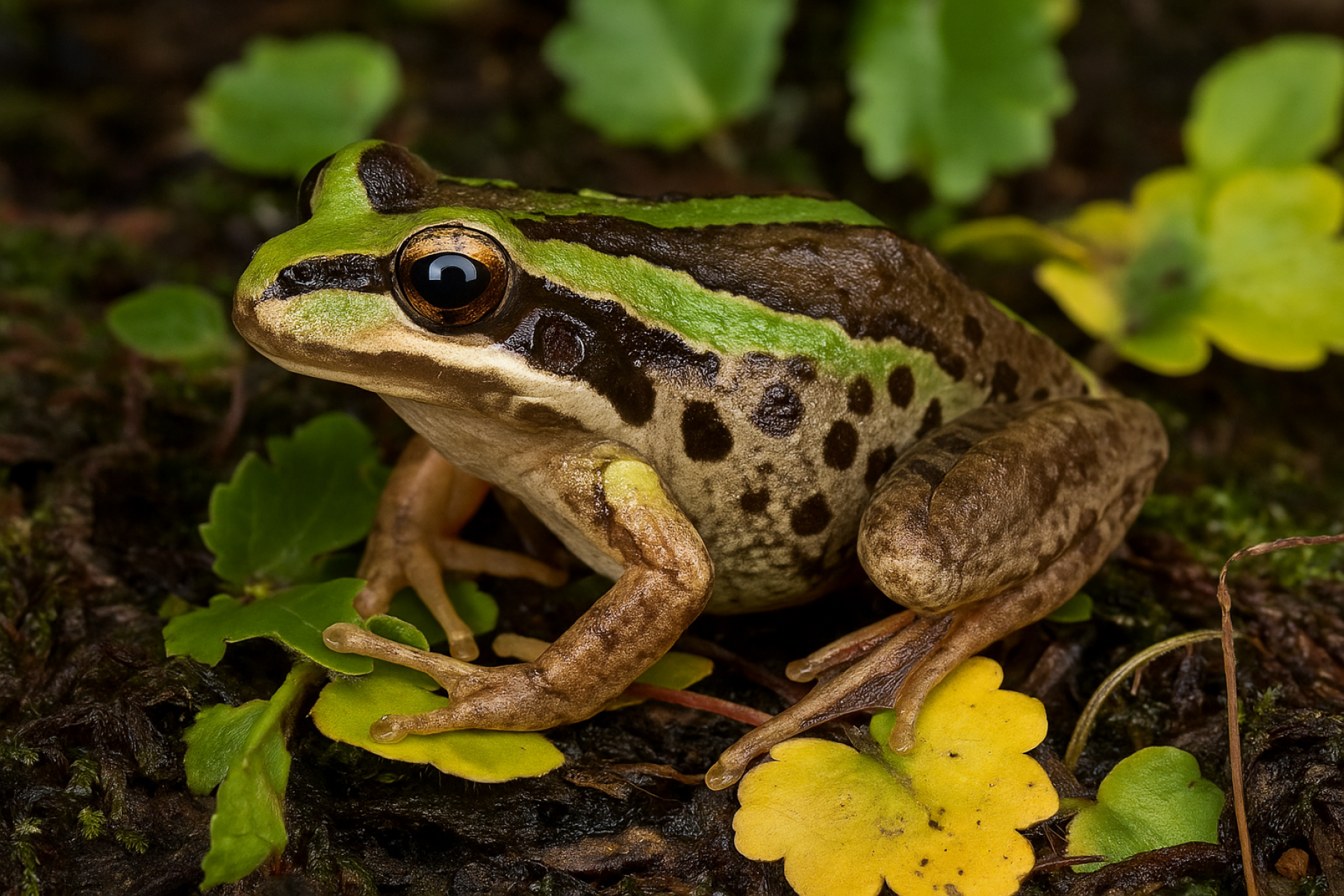
One of the species' most remarkable adaptations is its ability to survive freezing winter conditions. As temperatures fall, Alpine Tree Frogs shelter beneath sphagnum moss and snow, entering a state of dormancy. Their metabolism slows dramatically and they produce natural cryoprotective compounds, including glucose, which help protect their cells from ice damage. This adaptation allows them to survive prolonged periods of freezing temperatures until the return of spring.
With the onset of warmer weather and snowmelt, breeding begins in alpine wetlands and streams. Males attract females through high-pitched trilling calls and breed in cold, shallow water. Successful breeding each spring is critical to the species' persistence in an environment characterised by short growing seasons and long, harsh winters.
The species faces a significant threat from chytridiomycosis, a disease caused by the amphibian chytrid fungus (Batrachochytrium dendrobatidis). Research has shown that infected male Alpine Tree Frogs often increase their reproductive effort, displaying brighter throat coloration, calling more frequently, and fathering more offspring. This response, known as "terminal investment", is believed to maximise reproductive success when survival prospects are reduced.
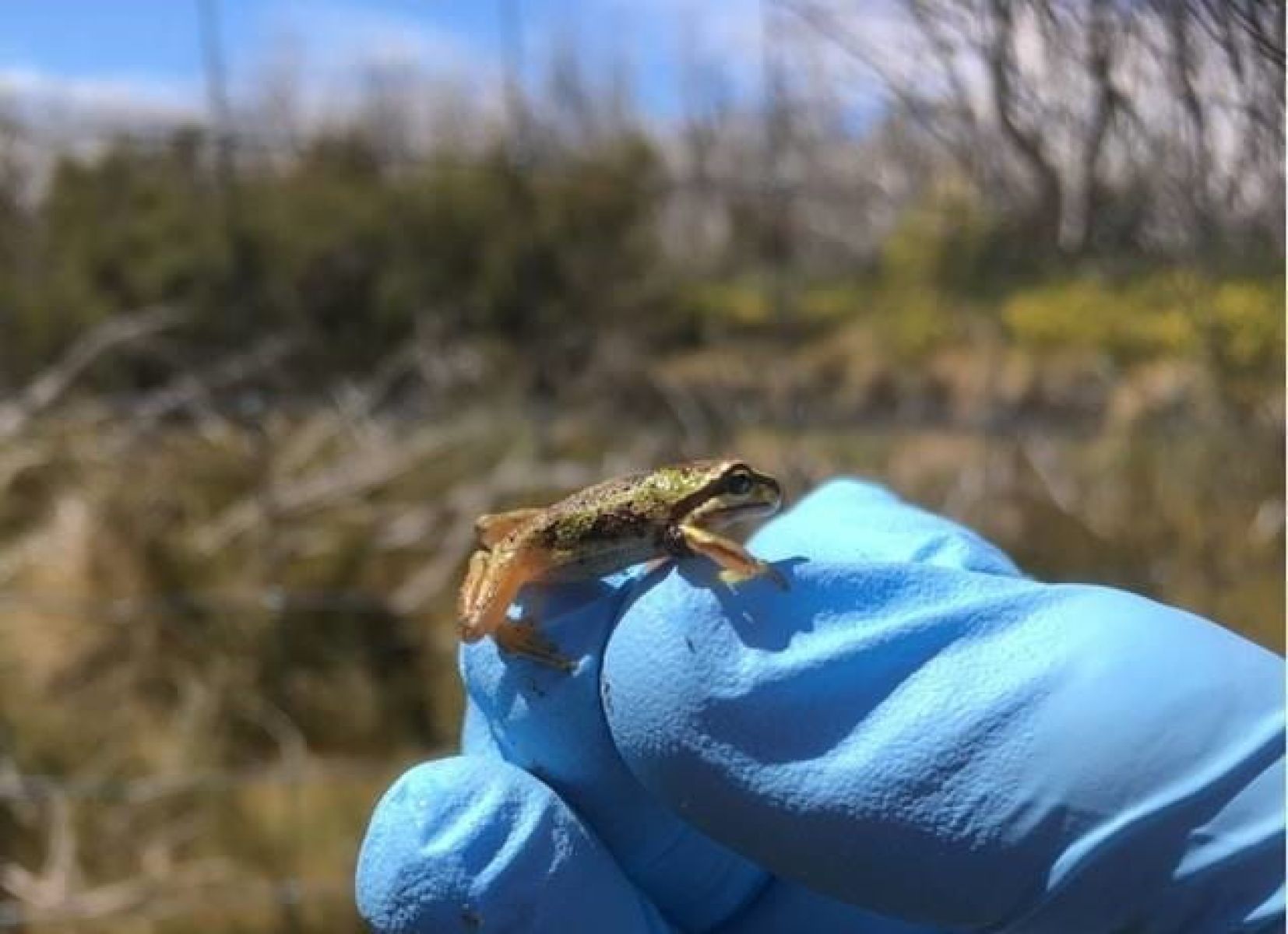
Conservation efforts are underway to support the recovery of this threatened species. Captive breeding programs and biosecure insurance populations have been established to safeguard against population decline, while habitat protection, population monitoring, genetic sampling, and connectivity projects aim to improve outcomes in the wild. Earlier breeding and reintroduction programs demonstrated that captive-raised frogs can successfully reproduce after release, providing valuable knowledge for future recovery initiatives.
A major conservation milestone was achieved in 2025 with the development of the first high-quality reference genome for the Alpine Tree Frog. This genetic resource provides researchers with new opportunities to investigate disease resistance, genetic diversity, and potential future breeding strategies. The genome is expected to play an important role in guiding long-term conservation and recovery efforts for one of Australia's most threatened alpine amphibians.
ARV supports alpine frog research and conservation programs at Mt Baw Baw and Falls Creek, contributing to efforts to better understand and protect this unique species and its fragile alpine habitat.
Page last updated: 18/09/26